Oct 17, 2026Quality Assurance
How to Audit a Supplier's Cleaning Process
Before orders that end in plating or anodizing, audit the cleaning process itself: the cleaning line, the blind-hole process, and the exit cleanliness check.
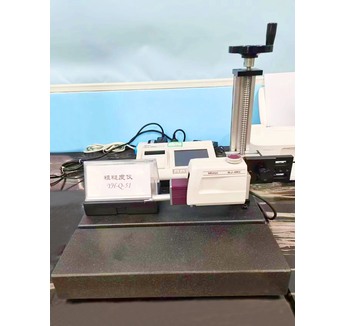
If your turned parts end in plating or anodizing, residue left by inadequate cleaning is a common root cause of finish failures. Before placing an order, audit the supplier's cleaning process directly: verify the cleaning line, the blind-hole procedure, and the cleanliness check at exit. Three questions cover most of the risk.
1. The Cleaning Line: Automated or Manual?
Ask how parts are cleaned today. Where cleaning is cursory, manual methods - kerosene or gasoline soaking, centrifugal slinging - leave oil films, micro-metal chips, polishing paste and acid residue behind. An automated multi-station ultrasonic line - with pure-water rinsing, filtration and controlled drying - controls the variables that manual cleaning cannot.
2. Blind Holes and Internal Threads
Deep features are where cleaning fails first. Ultrasonic cavitation reaches blind holes and internal threads that rinse liquids do not reliably clear, so ask specifically how these features are processed and whether residue inside them is checked - not just the outer surfaces.
3. The Exit Cleanliness Check
Ask whether cleanliness is verified before packing - for example, parts leaving the line at surface-tension-grade cleanliness rather than moving to plating on appearance alone.
Where This Fits in a Quotation
Cleanliness requirements are confirmed per drawing at the feasibility stage, together with the inspection plan. Agreeing on them at quotation keeps the machining stage and the surface-treatment stage aligned.
Boundaries and Next Step
Send your drawing with material, tolerance, volume and surface-treatment requirements; an NDA is available before you share details. Feasibility is confirmed per drawing.