Oct 23, 2026Quality Assurance
Turned Components for Connectors
Connector programs need small, precise and clean turned parts in volume - contact pins, plated contacts, bodies and RF components. Here is what that requires from a machining partner.
Connector and electronics programs put unusual demands on a turned-parts supplier: contacts and bodies measured in single-digit millimeters, tolerances that must survive automated assembly, plating-ready surfaces, and cleanliness standards that a fingerprint of machining debris can fail. Fine turned contacts, terminals, bodies and RF-related components are a dedicated product family at Yongxin, produced for connector programs alongside automotive and industrial work.
Parts in This Family
The electrical and connector family covers four product groups: precision contact pins, gold-plated contacts, connector bodies and RF connector components. All are produced to customer drawings, so dimensions, plating callouts and critical features follow your specification rather than a catalog part.
Material options in this family include brass, copper alloys, stainless steel and engineering plastics - a range that matters because contact resistance, spring behavior and cost usually pull a contact design in different material directions.
Precision That Survives Automated Assembly
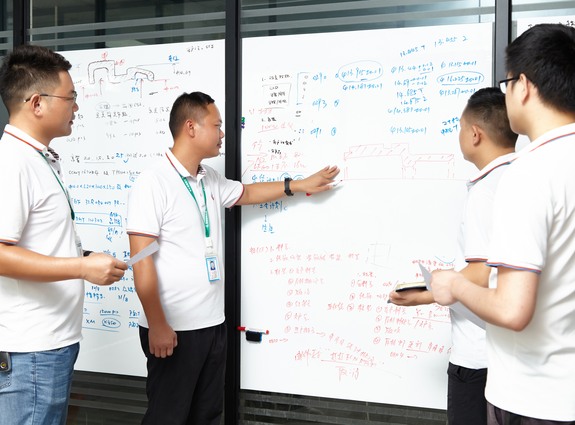
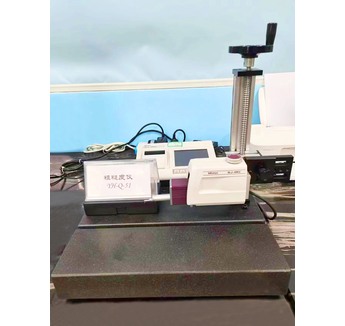
Connector parts are usually assembled by automated equipment that assumes every part in the batch behaves like the approved sample. A contact pin a few hundredths of a millimeter off can misalign in a high-speed assembly machine rather than fail a visual check. To hold dimensions across a run, high-rigidity Tsugami machines operate under temperature-controlled workshop management with a company batch tolerance target within +/-0.003 mm from the first part to the 100,000th part; the achievable tolerance for your specific features is confirmed per drawing during review.
For volume programs, CCD sorting adds automated optical screening at production rates - practical on contact-type parts where piece-by-piece manual checking does not keep up. Inspection scope for your part follows the inspection plan agreed at quotation stage.
Cleanliness for Electronic Assemblies
In electronic products, machining residue behaves as a functional defect rather than a cosmetic one. Film or particles left on a contact surface can raise contact resistance; debris in a blind hole near an insulated wall can short two circuits that were never meant to touch. Buyers in electronics often verify cleanliness at incoming inspection, so parts are cleaned on an automated multi-stage ultrasonic line with pure-water circulation and vacuum drying, and surface treatment such as plating or passivation is coordinated as part of the route so contacts arrive ready for their finish.
Boundaries and Next Step
Feasibility for a specific connector part depends on geometry, material condition, process route and inspection method, confirmed against your drawing; prices, lead times and sample arrangements are quoted at feasibility stage. If you are sourcing turned components for a connector, RF or electronics program, send your drawing with material, plating callout and annual volume, and the review will come back with practical manufacturing feedback.