Oct 22, 2026Quality Assurance
Material Verification Before CNC Machining
Material problems are far cheaper to catch before machining than after. Here is how material is verified for turned parts, and what to confirm with any supplier.
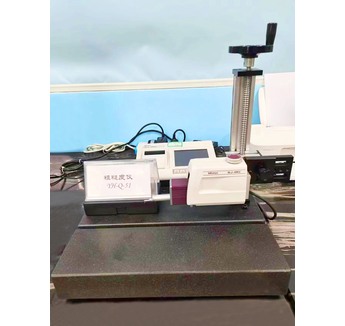
A turned part made from the wrong alloy can look correct and still fail: wrong strength, wrong corrosion behavior, or a composition that does not pass your incoming audit. The economical point to catch this is before chips are cut, not after plating or assembly. That is why material verification at Yongxin starts before production: requirements are reviewed before production and verified through material, process and final inspection.
What Unverified Material Risks
As general engineering context: many common alloys differ mainly in composition, not in how they look. Two stainless grades or two brass grades can be hard to tell apart on a finished part, which is why a mix-up is difficult to detect downstream. A wrong grade can surface much later - as a dimensional or finish problem in plating, as a failed strength or corrosion check, or as a rejected incoming batch at your goods-in inspection. In automotive and industrial supply chains, material evidence is also part of routine audits, so missing documentation can block a program even when the parts themselves are sound.
How Material Is Verified Before Production
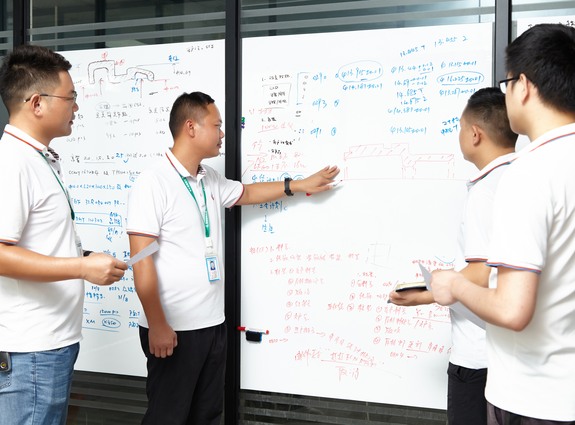
The route starts at drawing review, where the material callout is confirmed together with part geometry, tolerance, finish and annual volume. Confirming the grade on the drawing first prevents the most expensive version of the problem: a part produced correctly to a wrong or ambiguous specification.
During production preparation, XRF material analysis is used to verify alloy composition without damaging the part. Because the measurement is non-destructive, composition can be checked on actual parts instead of relying on the bar label alone, and the checked parts can continue through the process.
Documentation is part of the same conversation. Material certificates, FAI, inspection reports and compliance documents can be discussed at quotation stage, so the evidence you need for your own incoming audit is agreed before production rather than requested after delivery.
What to Confirm With Your Supplier
Whatever supplier you work with, four questions cover most of the material risk:
First, will the alloy be verified against the drawing before machining, and by what method? Second, is composition verification non-destructive, so checked parts stay in the batch? Third, can material certificates be provided, and at which stage is the scope agreed? Fourth, which documents - FAI, inspection reports, compliance papers - accompany the shipment? A supplier who answers these at quotation stage is easier to audit than one who answers after the first delivery.
Boundaries and Next Step
The verification plan for a specific part - which checks, which documents, in which release stage - is confirmed per drawing and agreed at quotation stage, together with price and lead time. If you want material verification and documentation built into your turned-part program, send your drawing with the material specification and the annual volume, and the review will confirm what can be evidenced before production starts.