Oct 16, 2026Quality Assurance
Swiss Turning or Automatic Turning?
Small-diameter and complex points to Swiss turning; repeat brass, stainless or steel parts at volume point to automatic turning. How the decision is made.
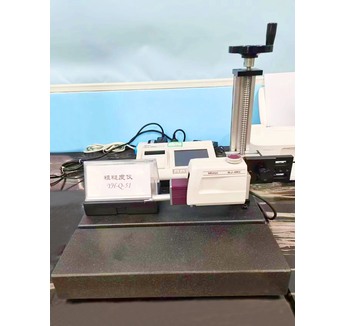
Small-diameter, complex parts with tight tolerances point to CNC Swiss turning. Simple, repeat parts in brass, stainless steel or steel at higher volumes point to automatic turning. Most programs need the question answered per part - and the inputs are the same five: geometry, tolerance, material, volume and quality requirements.
Choose Swiss Turning When
The part is small-diameter, complex and holds tight tolerances with multiple features that benefit from completion in one setup. On Swiss-type machines under constant-temperature workshop management, batch tolerance can stay within +/-0.003 mm from the first piece to the 100,000th.
Choose Automatic Turning When
The part is a repeat component in brass, stainless steel or steel where production efficiency decides the cost. Automatic turning runs these programs at volume, which is why simpler fittings, inserts and bushings usually land on this route once the drawing and volumes are fixed.
The Five Inputs Behind the Decision
Geometry, tolerance, material, volume and quality requirements. Two programs with similar drawings can land on different routes because volume or a single tolerance differs - which is why the decision is made at the drawing review, with the process route and inspection plan quoted at the feasibility stage.
Boundaries and Next Step
Final feasibility is confirmed per drawing, and price and lead time are quoted at the feasibility stage. Send your drawing with material, tolerance, volume and quality requirements; an NDA is available before you share details.