Oct 15, 2026Engineering Options
Choosing Alloys for Turned Fittings
Brass, stainless, carbon steel, aluminum or plastic - how the application decides the alloy for turned fittings, and what to confirm before you order.
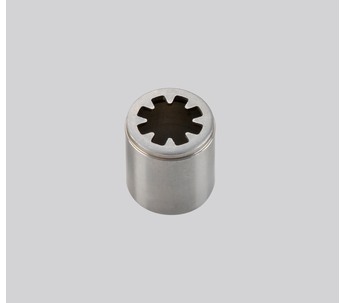
There is no single alloy that fits every turned fitting - the medium, the loads, the environment and the budget decide. The practical way to choose is to let the application select the family first, then confirm machinability, tolerance and finish implications per drawing.
Five Material Families, Five Different Trades
Brass and copper alloys are the usual choice when the fitting carries fluid or must conduct, and they machine cleanly at high volume. Stainless steel is the usual candidate when corrosion resistance or cleanliness drives the specification. Carbon and alloy steels are preferred where strength and wear resistance dominate. Aluminum alloys are chosen when weight matters more than strength, and engineering plastics when insulation or chemical inertness does.
What Changes With the Alloy
The alloy family also machines differently: it changes the achievable finish and how stably a batch holds tolerance, so the process route is fixed per drawing rather than assumed. Turning tolerances of +/-0.005 mm (selected features +/-0.002 mm) are then a property of that fixed route.
How to Decide
Write down the medium the fitting carries, the environment it lives in, the loads it sees and the annual volume. Send that with the drawing: the process and tolerance review will confirm which family is practical, what the finishing route should be, and where the boundary of feasibility sits - before any commitment is made.
Boundaries
Alloy guidance here is general engineering framing; the final call belongs to the drawing review, where part geometry, material condition, process route and inspection method are checked together. Price and lead time are quoted at the feasibility stage; an NDA is available before drawings are shared.