Oct 10, 2026Engineering Options
Why Anodized Parts Turn Black or Blister
Blackening, blistering or peeling after anodizing or plating is usually a cleaning failure. How ultrasonic cleaning at the machining stage protects adhesion.

When anodized or plated turned parts turn black, blister or peel, the plating bath often takes the blame. In practice the failure usually starts earlier: cutting-oil residue and micro-metal chips left on surfaces, in blind holes and inside internal threads break the adhesion between part and finish. Fixing it starts at the machining stage, not at the plating line.
The Root Cause: Residue From Machining
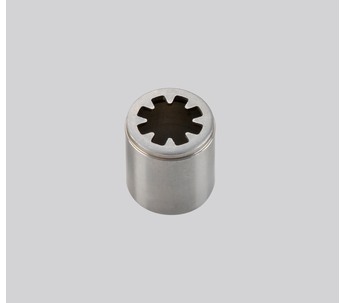
Small shops commonly clean with kerosene or gasoline soaking and centrifugal slinging. These methods leave oil films, micro-metal chips, polishing paste and even acid residue behind - especially inside blind holes and internal threads that rinse liquids do not reliably reach.
Two Failures This Causes
First, downstream surface treatment: anodizing, plating and coating develop peeling, blisters, black spots or uneven color over contaminated areas. Second, assembly and function: in medical, automotive injector and sensor, semiconductor and optical communication programs, chips left in a blind hole or thread can jam a mechanism, short a contact or fail incoming inspection.
How Ultrasonic Cleaning Prevents It
A fully automatic six-station ultrasonic cleaning line pairs cavitation agitation with pure-water rinsing, multi-stage filtration and heated drying stages, pulling oil and micro-metal chips out of blind holes, internal threads and other hard-to-reach features. Parts leave the line at surface-tension-grade cleanliness, ready to feed anodizing, plating, passivation, PVD, polishing or laser marking directly.
What to Ask Your Supplier
Is cleaning automated or manual? How are blind holes and internal threads cleared? Is final cleanliness checked - for example by surface tension - before packing? Which plating and anodizing partners does the cleaning process feed? The answers separate suppliers who protect your downstream yield from those who move the problem downstream.
Boundaries and Next Step
Cleanliness requirements are confirmed per drawing and application at the feasibility stage. Send your drawing, material, tolerance, volume and surface-treatment requirements; an NDA is available before you share details.