Oct 26, 2026Quality Assurance
How to Evaluate a Turned Parts Supplier
Price and tolerance claims are easy to compare; how a supplier organizes process, quality and capacity is harder to see. A five-part checklist helps you evaluate a turned-parts supplier.
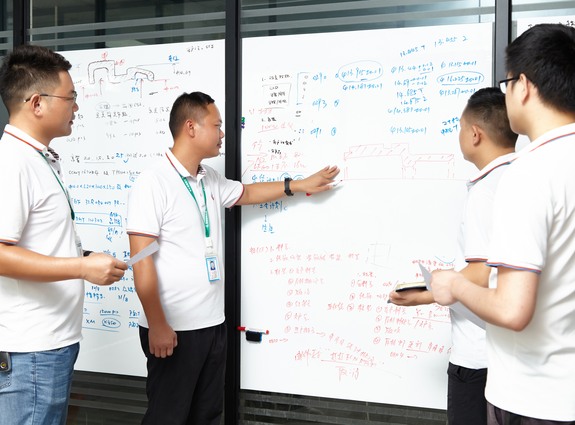
Comparing turned-parts suppliers on price and a tolerance claim is easy - and it is also where evaluation stops too early. Two suppliers can quote the same part, and only one of them has the process planning, quality system and capacity organization to hold that quote across a year of repeat orders. Five checks separate the two: process fit against your drawing, quality planned before production, how capacity is organized, the communication structure, and protection and documentation.
Check 1: Process Fit Against Your Drawing
Process selection should be based on geometry, tolerance, material, volume and quality requirements - and the supplier should be able to say which process route your drawing needs and why. If the first reply jumps to price without confirming part geometry, material, tolerance, finish and annual volume, the quote is not tied to an agreed specification, and every later disagreement starts there.
Check 2: Quality Planned Before Production
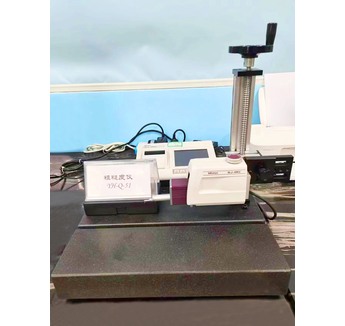
Ask when quality is planned, not just whether it exists. A supplier who reviews requirements before production starts, and who verifies them through material, process and final inspection, catches problems where they are cheapest to fix. The inspection equipment list is worth reading in detail as well: dimensional capability (CMM, 2.5D vision, roundness, surface roughness), material verification (XRF analysis) and volume screening (CCD sorting) answer different questions, and a shop with all of them can build an inspection plan that matches your part rather than a final check alone.
Check 3: How Capacity Is Organized
Capacity shows up in your schedule long before it shows up in a brochure. Two useful questions: does the shop have depth on the machine models your part needs, and can resources scale if your volumes grow? Depth matters when a machine goes down or a program grows; Yongxin's fleet, for example, includes more than 60 units of the Tsugami B0205III within over 100 imported machines, and two production bases behind one international contact extend that scalability across sites.
Check 4: Communication Structure
Programs drift when every question has a different answerer. One clear international project contact - the same person for drawing review, production coordination and quality follow-up - keeps decisions traceable, and it tells you something about how the supplier runs internally: coordination was designed, not improvised.
Check 5: Protection and Documentation
Before the first order, two protections should be explicit: your drawings stay protected (an NDA should be available on request), and the documents your own quality system needs - FAI, inspection reports, material certificates, compliance papers - have an owner and a stage. If those documents only appear after delivery as a surprise invoice line, you are buying risk, not evidence.
Boundaries and Next Step
A checklist narrows the field; the drawing decides the fit. Every supplier claim above - process route, inspection plan, capacity basis, documents - should land in a written feasibility response tied to your part, with price and lead time quoted at that stage. Send your drawing with annual volume and quality requirements, and use the five checks on the response you get back.