Oct 26, 2026Quality Assurance
Sample to Production: What to Expect
After the quote is approved, a turned part still travels through sampling, a correction loop and production release. Knowing what happens at each stage tells you what to prepare and when to push.
Approving a quote feels like the finish line, but for a custom turned part it is the middle of the journey. What comes next - sampling, a correction loop, production release, then the volume ramp - is where schedules are actually made or lost. Here is what happens at each stage and what you can do on your side to keep the loop short.
Sampling: What Actually Gets Made First
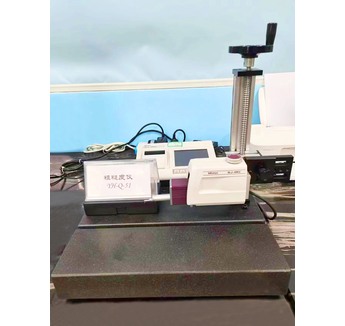
Sampling is not just running a few extra parts on the production machine. Before any samples exist, the part needs its own tooling - fixtures, collets, special tooling your geometry calls for. Samples are then produced and measured, and the measurements come back to you as a dimensional report. That report is the document that matters most on your side of the table: actual values set against the drawing, feature by feature, so the approval decision is made on numbers rather than on how the samples look.
The Correction Loop Before Production Release
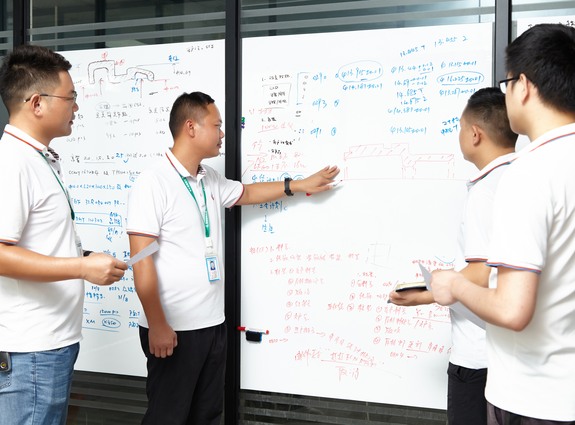
Approval runs as customer review, then a correction loop, then production release. The correction loop deserves respect: samples reveal something worth adjusting on many first articles - a chamfer that complicates assembly, a tolerance that turned out tighter than the function needs. Changes made inside the loop are cheap; the same changes discovered after release are a different conversation. Consolidating your feedback into one structured round makes it far more likely that the loop closes in a single pass rather than dragging through several.
Release and the Volume Ramp
Production release hands the program to the volume stage: in-process control, final inspection, packing and delivery - the checks agreed in the inspection plan back at the quote stage now govern production runs. After release, ongoing support covers repeat-order planning, change control and issue follow-up, which is what helps keep reorder #10 as uneventful as reorder #2.
What to Prepare on Your Side
Three habits shorten every stage. First, complete inputs before sampling: geometry, material, tolerance, finish and annual volume were confirmed at drawing review, and anything new that surfaces belongs in the correction loop, not in side emails. Second, name the acceptance criteria for samples in advance - which features decide approval - so the dimensional report can be judged against them. Third, keep one communication channel: changes routed through the same project contact who coordinated the review are the ones that reach production planning.
Boundaries and Next Step
Stage timing - how long tooling, samples and each loop take for your specific part - depends on geometry and process route and is quoted at feasibility stage rather than promised in general terms. If you have a drawing heading for its first samples, send it with your annual volume, and the feasibility feedback will lay out the sampling and approval path for this specific part.