Oct 27, 2026Quality Assurance
Turn-Mill Machining for Complex Parts
When a turned part needs cross holes, slots, flats or milled profiles, turn-mill machining completes them in one clamping. Which geometries benefit - and what the route changes.
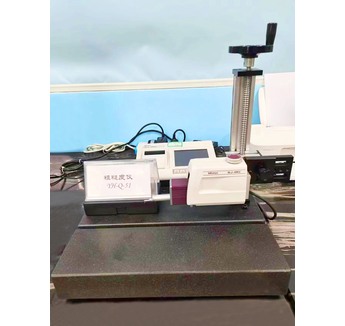
When a turned part needs cross holes, slots, flats or a milled profile, the conventional route sends it to a second machine - and moving the part to a second operation adds handling, queue time and a fresh alignment risk. Turn-mill machining combines turning and milling in one machine so those features are completed while the part stays clamped.
Which Geometries Call for Turn-Mill
The signal is the drawing itself: a turned body carrying milled features. Catalog examples in this family include brass valve housings, multi-bore housings and threaded housings - parts where ports, intersecting passages and wrench flats meet a turned profile. Cross holes that must relate to a bore, slots and flats for assembly, milled contours on round bodies, pockets and profiles that a lathe alone cannot produce: these are the geometries multi-axis turn-mill machining completes in fewer setups.
What One Machine Changes
The catalog states four benefits of combining turning and milling: fewer setups, improved feature-to-feature consistency, reduced handling and better repeatability. They share one mechanism. Features finished in the same clamping inherit their positions from the same setup, so their relationships do not depend on how accurately a part was re-clamped afterwards. On turn-mill centers working alongside sliding-head machines, concentric relationships hold to within 0.005 mm as a company capability target - confirmed per drawing, since the achievable figure depends on the geometry.
Route length changes with the machine change. Every setup removed takes a transfer, an inspection hand-off and a queue with it, which shortens the chain to downstream steps such as cleaning and coordinated plating, anodizing or passivation. On suitable parts the company estimates the combined effect on overall turnaround cost and lead time at twenty percent or more - a figure set per part at feasibility stage, not in general.
Where Turn-Mill Does Not Pay
The same test works in reverse: a turned part with no milled features gains nothing from turn-mill machining, and routing it that way only adds cost. Specifying turn-mill capability where the geometry does not need it is a design decision, not a quality upgrade. Process selection is decided against the drawing - simpler parts stay on simpler routes.
What to Send for the Review
If your drawing combines turned and milled features, send it with your annual volume and quality requirements. The review confirms whether one-setup machining fits the geometry, which features can be combined into the same clamping, and what the route means for inspection - and feasibility feedback sets the process route, inspection plan, price and lead time for this specific part.